Medaka Ricefish Care & Breeding Guide
Everything you need to know about keeping, breeding, and raising healthy Medaka ricefish, including tank setup, water parameters, feeding, spawning behavior, egg collection, outdoor tub culture, and fry raising.
What Is a Medaka Ricefish?
Medaka ricefish (Oryzias latipes) are small freshwater fish native to Japan, Korea, China, and parts of East Asia. For centuries they have been kept as ornamental fish and are now among the most popular outdoor pond and breeding fish worldwide.
Unlike many aquarium species, Medaka are exceptionally adaptable and thrive in aquariums, outdoor tubs, patio ponds, and greenhouse systems. Their hardiness, peaceful temperament, and prolific breeding behavior make them an excellent choice for both beginners and experienced fishkeepers.
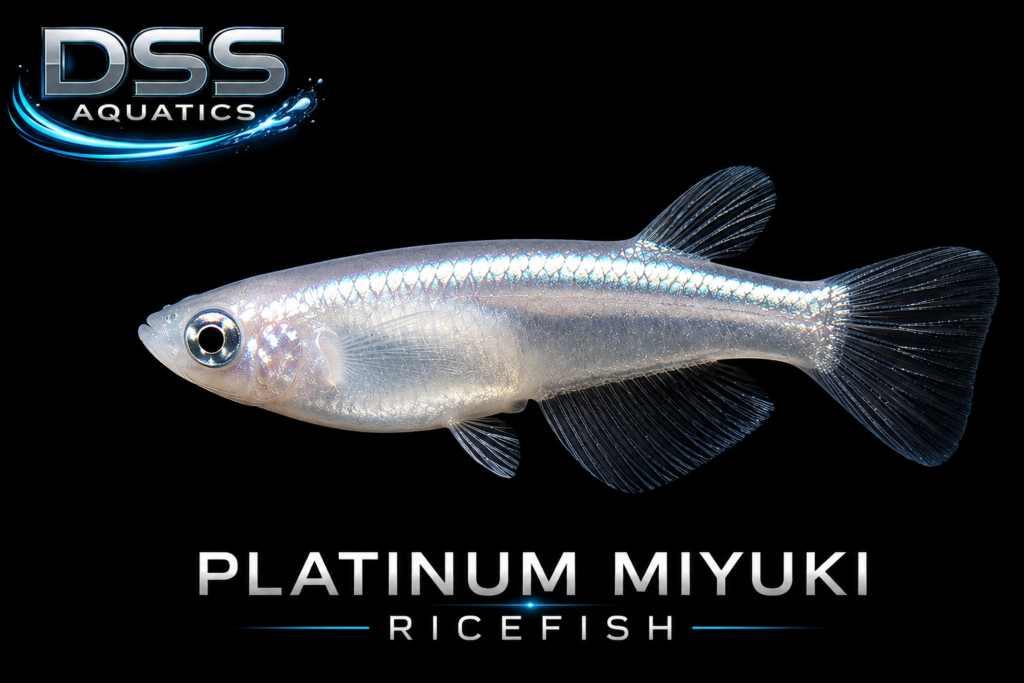
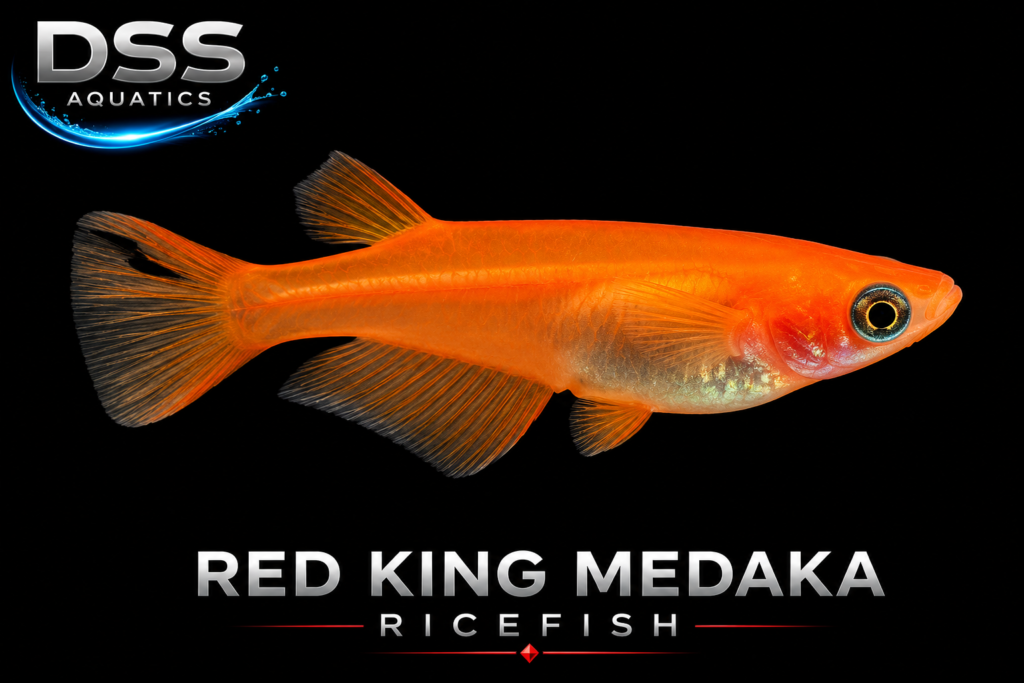
Modern Medaka strains have been selectively bred into a wide range of colors and patterns, including Platinum Miyuki, Blue Miyuki, Youkihi, Sapphire, Tricolor, and many other highly sought-after varieties. Their metallic scales and reflective body patterns often create a stunning appearance when viewed from above, making them especially popular for outdoor breeding tubs and display ponds.
Whether your goal is keeping a beautiful display fish, breeding rare strains, or raising fry for future generations, Medaka offer one of the most rewarding freshwater fishkeeping experiences available today.
Why Hobbyists Love Medaka
• Extremely hardy and beginner friendly
• Thrive in aquariums and outdoor tubs
• Peaceful community fish
• Breed readily under proper conditions
• Beautiful color and metallic strains available
• Excellent fish for family breeding projects
• Easy to feed and maintain
• Suitable for small aquariums and patio ponds
Medaka Quick Care Facts
Use this quick reference guide to understand the basic care requirements for healthy Medaka ricefish in aquariums, outdoor tubs, and patio pond setups.
Scientific Name: Oryzias latipes
Common Name: Medaka Ricefish
Adult Size: 1.25–1.5 inches
Lifespan: 2–4 years
Minimum Tank Size: 10 gallons
Temperature: 60–82°F
pH Range: 6.8–8.0
Temperament: Peaceful
Difficulty Level: Beginner Friendly
Breeding Difficulty: Easy
Ideal Tank Setup for Medaka Ricefish
One of the biggest advantages of Medaka ricefish is their adaptability. Unlike many ornamental fish, Medaka can thrive in traditional aquariums, outdoor tubs, patio ponds, greenhouse systems, and breeding containers.
For indoor aquariums, a 10-gallon tank is an excellent starting point for a small group. Larger aquariums provide greater stability and allow for larger colonies to develop naturally.
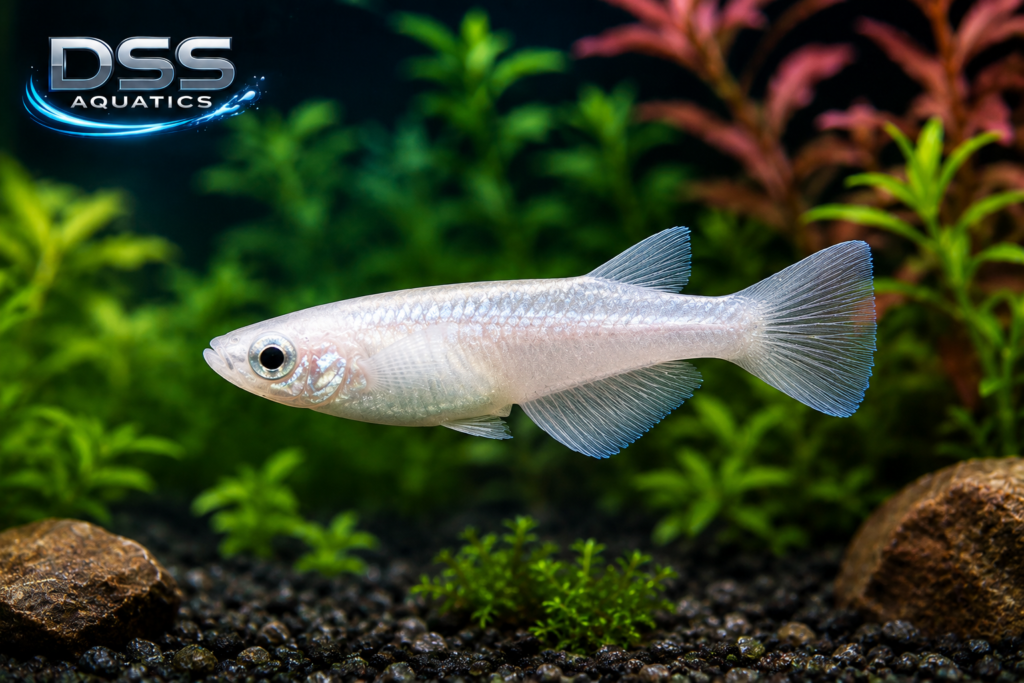
Medaka appreciate open swimming space, gentle water movement, and areas of floating or rooted plants. Live plants not only improve water quality but also provide security, natural spawning sites, and shelter for fry.
Outdoor tubs and patio ponds are where many Medaka truly excel. Natural sunlight often enhances coloration, stimulates breeding behavior, and promotes healthy growth. Outdoor systems also encourage the development of natural foods such as algae, microorganisms, and insect larvae that Medaka readily consume.
Whether kept indoors or outdoors, the goal should be a stable environment with clean water, adequate swimming space, and plenty of plant cover.
Recommended Setup Checklist
✓ 10+ gallon aquarium or outdoor tub
✓ Sponge filter or gentle filtration
✓ Floating plants for cover and spawning
✓ Live plants for natural behavior
✓ Tight-fitting lid to prevent jumping
✓ Stable water parameters
✓ Regular water changes
✓ High-quality fish food supplemented with live or frozen foods
Water Parameters & Temperature Requirements
One of the reasons Medaka ricefish have become so popular worldwide is their ability to tolerate a wide range of water conditions. Unlike many delicate ornamental fish, Medaka are remarkably hardy and adaptable when provided with stable water quality.
For long-term success, aim for a temperature range between 60°F and 82°F, with most breeders finding the best results between 68°F and 78°F. Medaka can tolerate seasonal temperature fluctuations outdoors, making them excellent candidates for patio ponds and breeding tubs in many climates.
A pH range of 6.8 to 8.0 is generally ideal. Slightly alkaline water is often preferred, though Medaka adapt well to a variety of conditions provided changes occur gradually.
Clean water is more important than chasing exact numbers. Regular maintenance, stable parameters, and good biological filtration will contribute far more to success than constantly adjusting water chemistry.
Outdoor systems often experience natural fluctuations throughout the day and seasons. Healthy Medaka typically adapt well to these changes when they occur gradually and the fish are otherwise healthy.
Pro Tip:
Medaka are among the few ornamental fish that can thrive year-round in outdoor tubs and patio ponds in many regions, making them an excellent choice for hobbyists looking to experience natural breeding behavior and top-view fish keeping.
Feeding Medaka Ricefish
Medaka ricefish are opportunistic omnivores that readily accept a wide variety of foods. In nature they feed on small insects, insect larvae, algae, zooplankton, microorganisms, and other tiny food sources found throughout ponds, rice paddies, and slow-moving waterways.
In the aquarium, a high-quality staple food should form the foundation of their diet. Premium micro pellets, quality flakes, and specialized Medaka diets provide balanced nutrition for everyday feeding.
For enhanced growth, coloration, conditioning, and breeding performance, many successful breeders supplement with protein-rich foods such as baby brine shrimp, daphnia, bloodworms, mosquito larvae, and other live or frozen foods.
Outdoor tubs often provide additional natural food sources including algae, microorganisms, and insect larvae. These natural foods can contribute to improved coloration and overall fish health.
For best results, feed small amounts two to three times daily rather than a single large feeding. Only provide as much food as the fish can consume within a few minutes to maintain excellent water quality.
Best Foods for Breeding Medaka
When conditioning Medaka for breeding, protein becomes increasingly important. A varied diet helps stimulate spawning activity, improve egg production, and support healthy fry development.
Many breeders rotate multiple food sources throughout the week rather than relying on a single food. This approach helps provide a wider range of nutrients while encouraging stronger growth and reproductive performance.
✓ High-quality micro pellets
✓ Premium fish flakes
✓ Baby brine shrimp
✓ Daphnia
✓ Bloodworms
✓ Mosquito larvae
✓ Live foods when available
✓ Natural outdoor food sources
DSS Breeder Tip
Many experienced Medaka breeders report their strongest spawning activity during periods of frequent feeding with live or frozen foods. Combining quality nutrition with warm temperatures and dedicated spawning media often produces the best breeding results.
Breeding Medaka Ricefish
One of the biggest reasons Medaka ricefish have become so popular among hobbyists is how readily they breed. Unlike many aquarium species that require complex triggers or specialized conditions, healthy Medaka often begin spawning naturally when provided with proper nutrition, stable water conditions, and suitable spawning media.
In many setups, breeding activity increases during warmer temperatures and longer daylight periods. Outdoor tubs and patio ponds frequently produce exceptional results because natural sunlight, seasonal temperature changes, and abundant live foods help stimulate reproductive behavior.
Even beginner fishkeepers can successfully breed Medaka, making them one of the most rewarding freshwater species for anyone interested in raising fry and developing breeding projects.
How Medaka Spawn
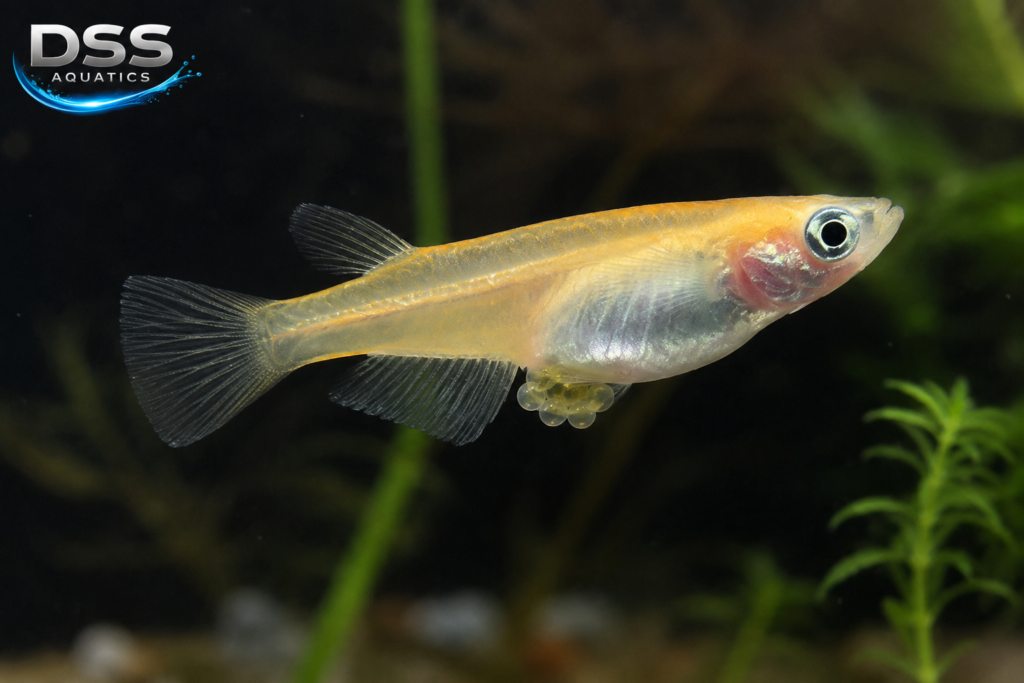
Female Medaka typically carry a cluster of fertilized eggs attached near the vent for several hours after spawning. During this period, the eggs remain visible beneath the female before eventually being deposited onto plants, spawning mops, floating roots, or other available surfaces.
The adhesive nature of Medaka eggs allows them to attach securely to spawning media where they can continue developing until hatching.
Because eggs are often easy to spot, breeders can quickly collect and separate them from adult fish, greatly increasing hatch rates and fry survival.
Signs Your Medaka Are Ready to Breed
✓ Males displaying increased activity
✓ Females appearing fuller with developing eggs
✓ Chasing and courtship behavior
✓ Eggs visible beneath females
✓ Increased spawning activity after feeding live foods
✓ Daily egg production during warm weather
DSS Breeder Tip
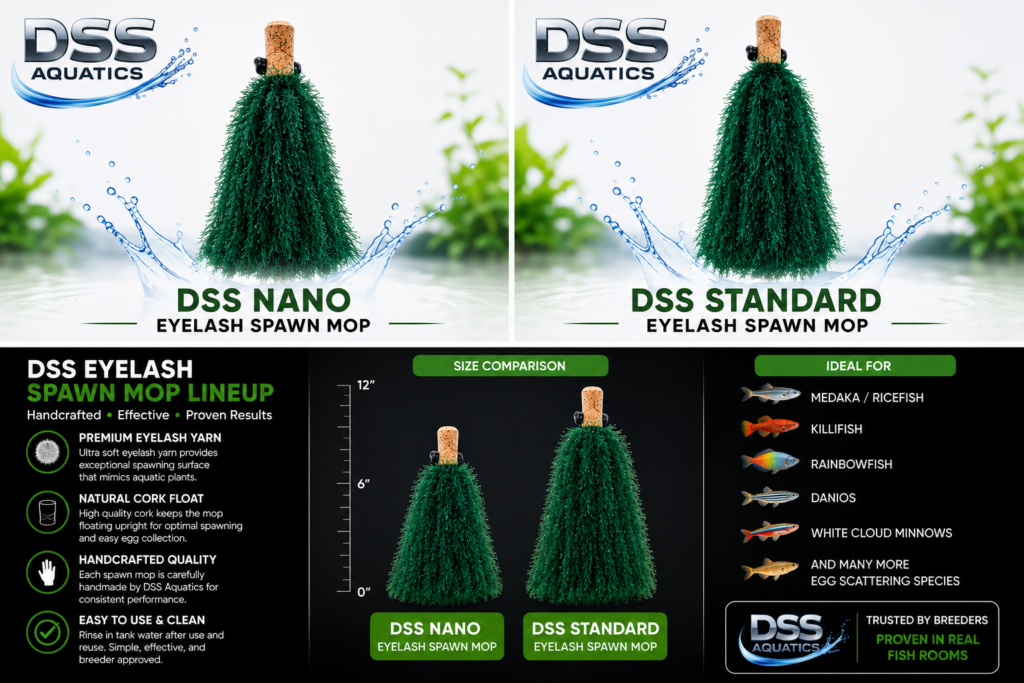
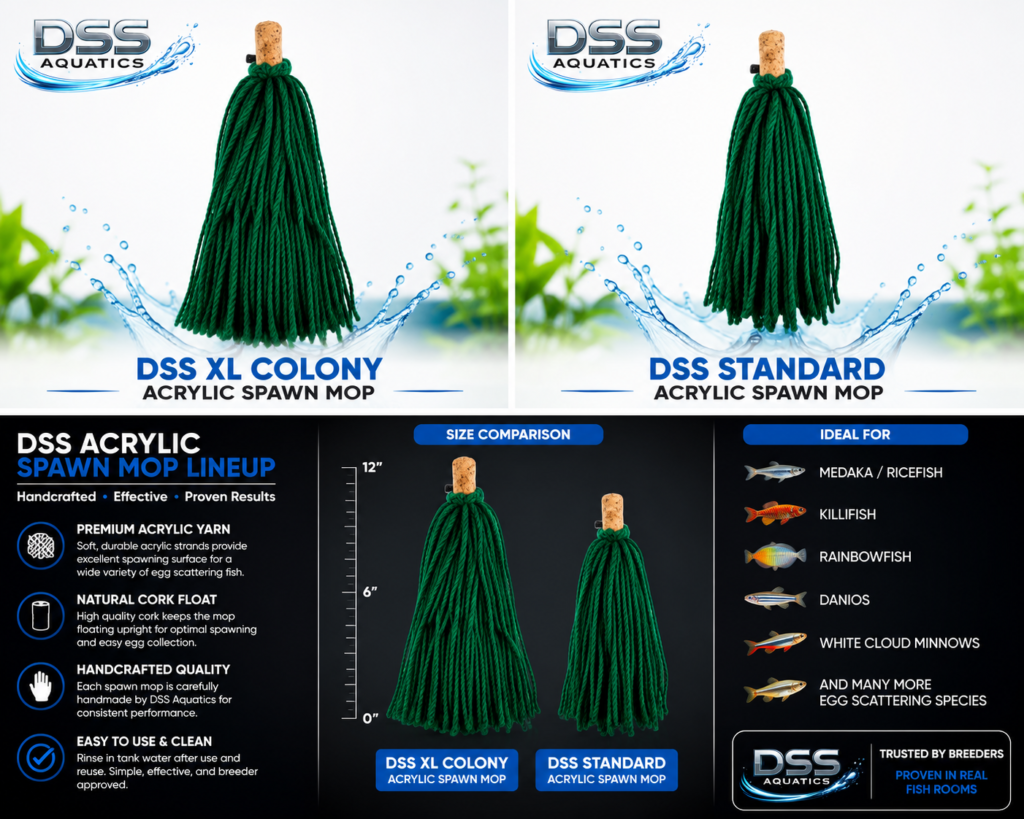
Dedicated spawning media dramatically improves egg collection efficiency. Many breeders use spawning mops because eggs can be collected quickly without disturbing the fish, allowing for easier hatching and fry production.
Why Spawn Mops Work So Well
Spawn mops provide a safe, reusable surface that encourages natural spawning behavior while making egg collection simple. Unlike plants that can hide eggs throughout the aquarium, spawn mops concentrate egg deposition into a predictable location that can be inspected daily.
The soft fibers mimic natural spawning sites and are widely used by breeders of Medaka ricefish, rainbowfish, killifish, danios, White Cloud Mountain Minnows, and many other egg-scattering species.
For hobbyists focused on maximizing hatch rates and maintaining organized breeding projects, dedicated spawning mops remain one of the most effective tools available.
Collecting and Hatching Medaka Eggs
One of the most rewarding aspects of breeding Medaka ricefish is how easy it is to collect and hatch their eggs. Because Medaka eggs are adhesive and relatively large compared to many other egg-scattering species, breeders can often locate and collect them without specialized equipment.
Many hobbyists collect eggs daily to maximize hatch rates and protect developing embryos from predation, fungus, or accidental damage. With proper handling, healthy Medaka eggs typically hatch within 7 to 14 days depending on water temperature.
How to Collect Medaka Eggs
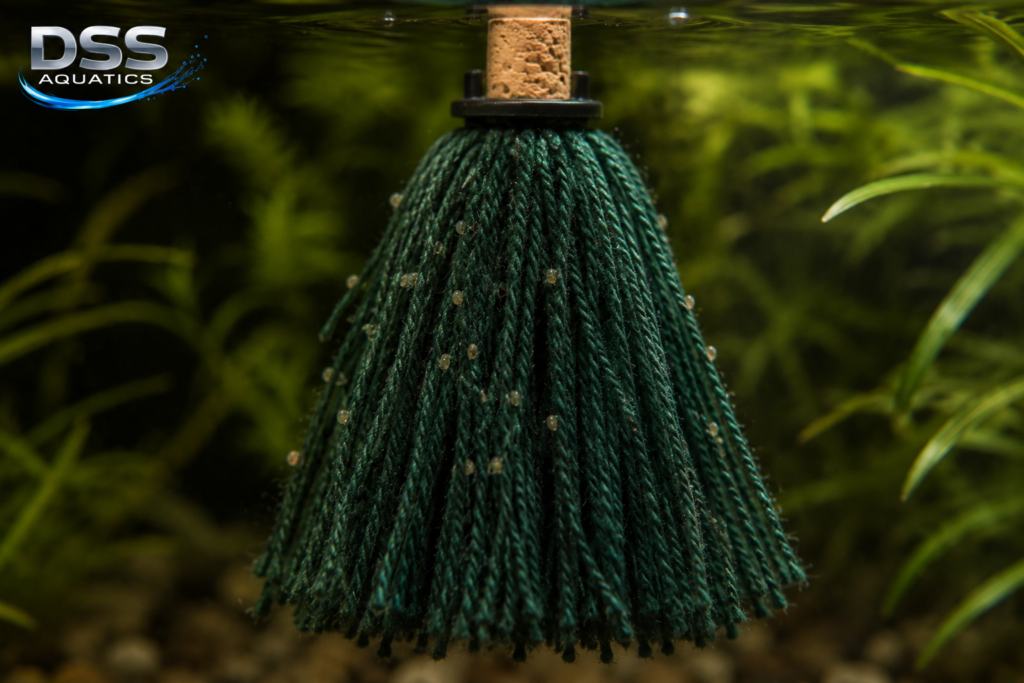
The easiest time to collect eggs is during the morning hours when females are often carrying freshly spawned eggs beneath their abdomen. These eggs may remain attached for several hours before being deposited onto spawning mops, floating plant roots, moss, or other surfaces.
Many breeders inspect spawning mops daily because eggs are easy to locate among the fibers. Once collected, eggs can be transferred to a dedicated hatching container where they can develop safely away from adult fish.
✓ Check spawning mops daily
✓ Inspect floating plant roots
✓ Look for eggs beneath females
✓ Handle eggs gently
✓ Separate collected eggs from adults
✓ Monitor eggs for fungus or damage
Hatching Medaka Eggs
Collected eggs can be placed in a small container, breeder box, fry tank, or dedicated hatching setup with clean, well-oxygenated water. Most breeders maintain gentle water movement and stable temperatures throughout development.
As the embryos mature, dark eyes become visible inside the eggs. Shortly before hatching, the fry may become active within the egg capsule. Newly hatched Medaka fry are surprisingly large and often begin searching for food within their first day of life.
Raising Medaka Fry
Newly hatched Medaka fry are surprisingly hardy compared to many freshwater fish species, making them an excellent choice for beginner breeders. However, proper feeding, water quality, and protection from larger fish are still essential for achieving high survival rates.
With the right setup, Medaka fry grow quickly and can begin developing their adult coloration within a few months. Providing stable conditions during the first several weeks of life is one of the most important factors in raising healthy juvenile fish.
First Foods for Medaka Fry
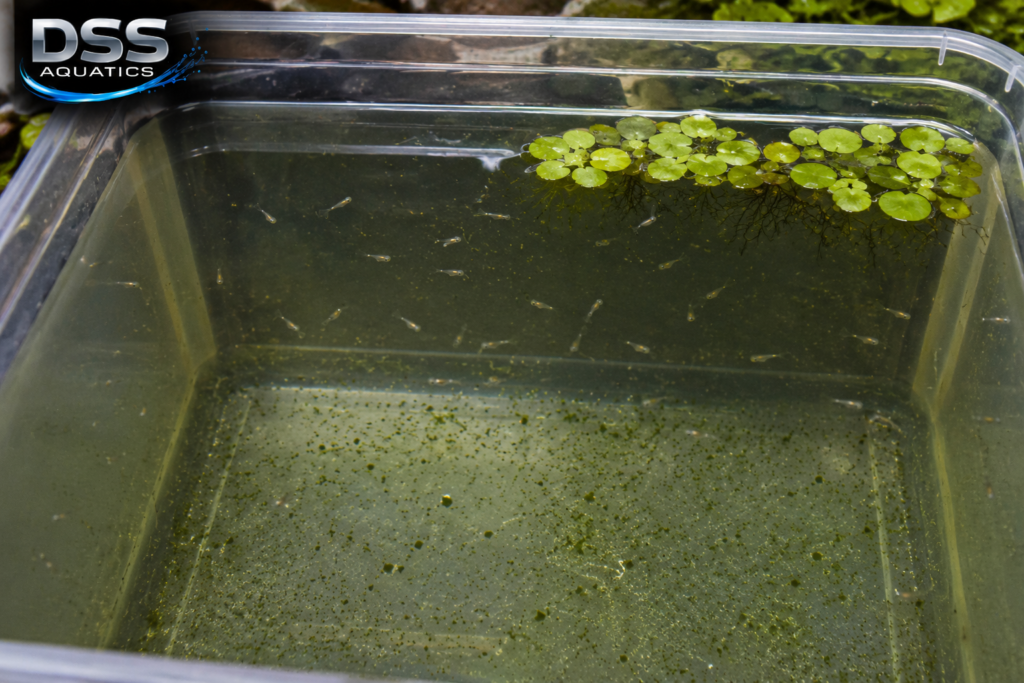
Medaka fry are small but capable of eating a variety of foods shortly after hatching. During the first week, many breeders rely on naturally occurring microorganisms, infusoria, and powdered fry foods.
As the fry grow, their diet can gradually expand to include baby brine shrimp, microworms, crushed flakes, and other high-quality foods designed for young fish. Frequent feeding in small amounts helps promote rapid growth while maintaining water quality.
✓ Infusoria
✓ Green water cultures
✓ Powdered fry food
✓ Baby brine shrimp
✓ Microworms
✓ Finely crushed quality flakes
Ideal Fry Rearing Setup
Many breeders raise Medaka fry in dedicated grow-out tanks, breeder boxes, or small tubs. Gentle filtration, stable temperatures, and frequent water changes help maintain excellent water quality while preventing excessive waste buildup.
Floating plants such as Frogbit, Salvinia, and Water Lettuce can provide additional security for young fish while encouraging the growth of microorganisms that serve as supplemental food sources.
Recommended Fry Setup Checklist
✓ Separate grow-out tank or tub
✓ Gentle sponge filtration
✓ Floating plants for cover
✓ Daily observation
✓ Small frequent feedings
✓ Stable water conditions
✓ Regular partial water changes
✓ Protection from adult fish
Growth Timeline
Week 1:
Newly hatched fry begin feeding and exploring their environment.
Weeks 2–4:
Rapid growth period with increased feeding activity.
Months 1–2:
Juvenile fish begin developing shape and coloration.
Months 2–4:
Many strains begin showing stronger color patterns and sexual differences.
Months 4–6:
Most Medaka reach breeding size and can begin producing the next generation.
DSS Breeder Tip:
Consistent feeding and clean water will almost always outperform expensive equipment. Many successful Medaka breeders raise hundreds of fry each season using simple tubs, sponge filters, floating plants, and quality food.
Common Medaka Breeding Problems & Solutions
Even though Medaka ricefish are among the easiest freshwater fish to breed, breeders occasionally encounter issues that reduce egg production, hatch rates, or fry survival. Fortunately, most problems can be identified and corrected quickly.
The following troubleshooting guide covers the most common challenges faced by Medaka breeders and practical solutions that can help restore breeding success.
Problem: Fish Are Not Spawning
Possible Causes
• Water temperatures too cool
• Insufficient daylight
• Poor nutrition
• Fish are immature
• Stress from overcrowding
Solution
Increase feeding quality, maintain stable water conditions, and ensure fish receive adequate light. Most Medaka breed most actively when temperatures remain between 72°F and 82°F and receive 12–14 hours of light daily.
Problem: Eggs Are Disappearing
Possible Causes
• Eggs falling into dense plants
• Adults consuming eggs
• Eggs hidden throughout the aquarium
• Lack of dedicated spawning media
Solution
Use a dedicated spawning mop to concentrate egg deposition into a predictable location. Inspect mops daily and transfer collected eggs to a separate hatching container whenever possible.
DSS Breeder Quick Reference
| Problem | Most Common Fix |
|---|---|
| Not spawning | Increase temperature & feeding |
| Missing eggs | Add spawning mop |
| Fungus on eggs | Improve water quality |
| Fry losses | Separate fry and feed properly |
| Slow growth | Increase feeding frequency |
Most Medaka breeding issues can be traced back to three fundamentals: stable water quality, quality nutrition, and proper spawning media. By focusing on these core areas, breeders can consistently improve egg production, hatch rates, and fry survival while enjoying one of the most rewarding freshwater fish species in the hobby.
Why Medaka Ricefish Are One of the Best Fish for Beginners and Breeders
Few freshwater fish offer the combination of beauty, hardiness, breeding success, and educational value that Medaka ricefish provide. Whether you’re a first-time fishkeeper looking for an easy species to maintain or an experienced breeder interested in developing unique strains, Medaka are one of the most rewarding fish available in the aquarium hobby.
Their adaptability allows them to thrive in aquariums, patio ponds, outdoor tubs, and dedicated breeding systems. Unlike many species that require complex care requirements, Medaka are forgiving of minor mistakes while still rewarding proper husbandry with vibrant coloration, active behavior, and consistent spawning.
For beginners, Medaka offer an excellent introduction to fishkeeping and breeding. For advanced hobbyists, they provide endless opportunities to work with genetics, selective breeding projects, and rare color varieties.
From watching a female carry eggs, to collecting spawn from a breeding mop, to raising fry into healthy adults, Medaka allow hobbyists to experience the complete life cycle of a fish in a way that few other species can match.
Their growing popularity around the world is a testament to their versatility, beauty, and suitability for aquarists of all experience levels.
Our Recommendation
If you’re interested in keeping a species that is colorful, active, easy to breed, and enjoyable to observe year-round, Medaka ricefish should be at the top of your list.
Whether you’re building your first outdoor tub, setting up a breeding project, or expanding your collection with unique strains, Medaka offer one of the most rewarding fishkeeping experiences available.
Ready to Start Your Medaka Journey?
Explore our growing collection of premium Medaka ricefish, breeding supplies, and educational resources designed to help hobbyists succeed at every stage of the breeding process.
From beginner setups to advanced breeding projects, DSS Aquatics is committed to helping fishkeepers build healthy, thriving Medaka colonies.
DSS Aquatics • Live Fish • Breeding Supplies • Educational Resources
Watch Medaka & Aquatics Content on YouTube
Follow DSS Aquatics on YouTube for Medaka breeding tutorials, spawning footage, fry grow-out updates, fish room tours, species profiles, product reviews, and hands-on freshwater fishkeeping content.